I'm a husband, a dad, and a guy who spent years working in the pest-control trade. Our house is an older two-storey with a south-facing wall that soaks up sun all afternoon, and every October the stink bugs find it. Each year I run the leading household pest products through their paces. Below is the stink bug edition for 2026.
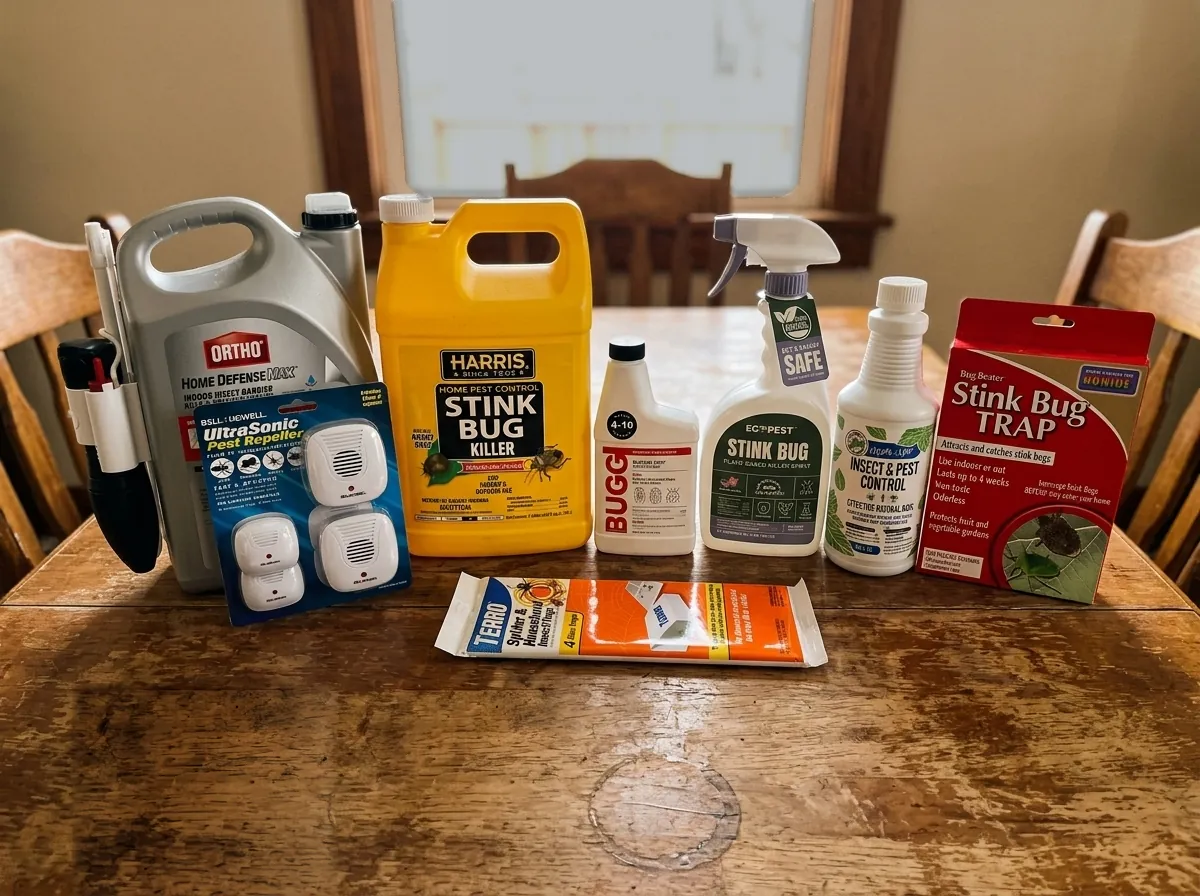
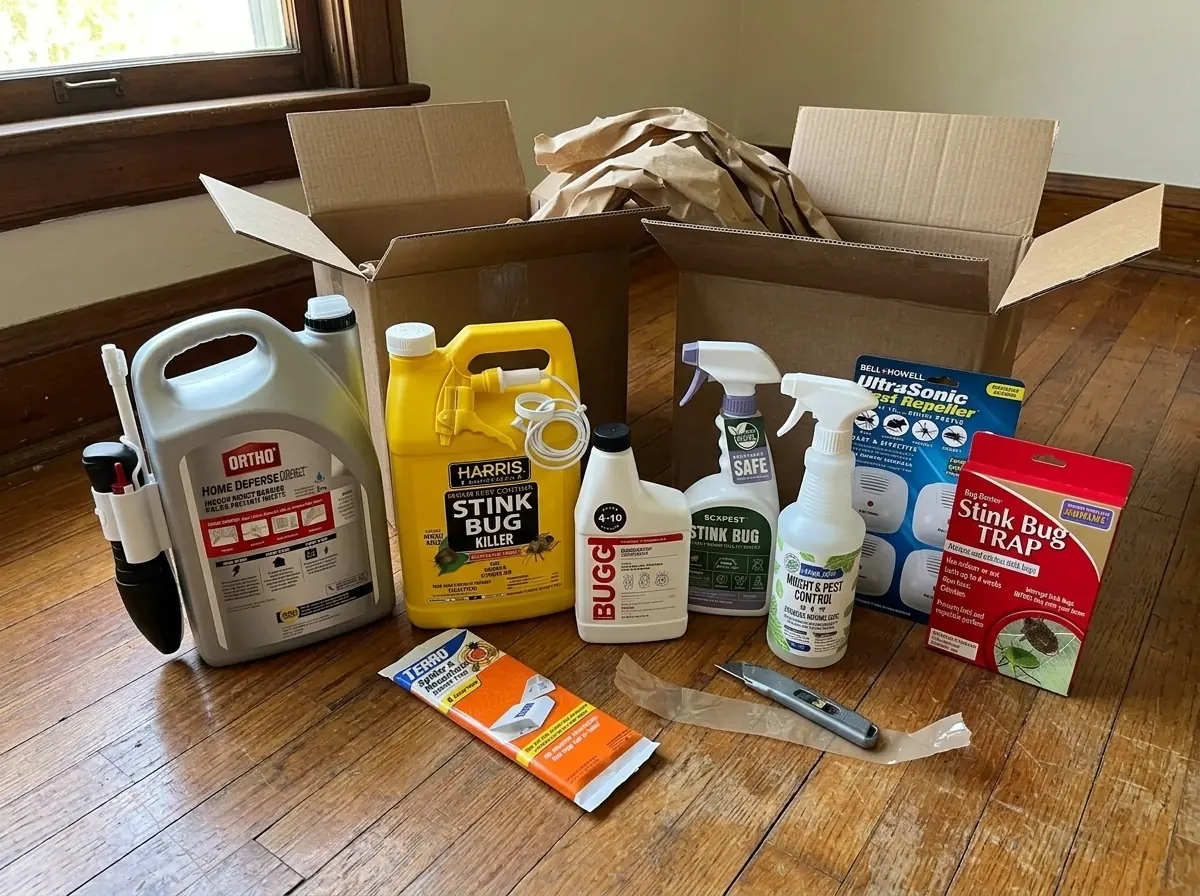
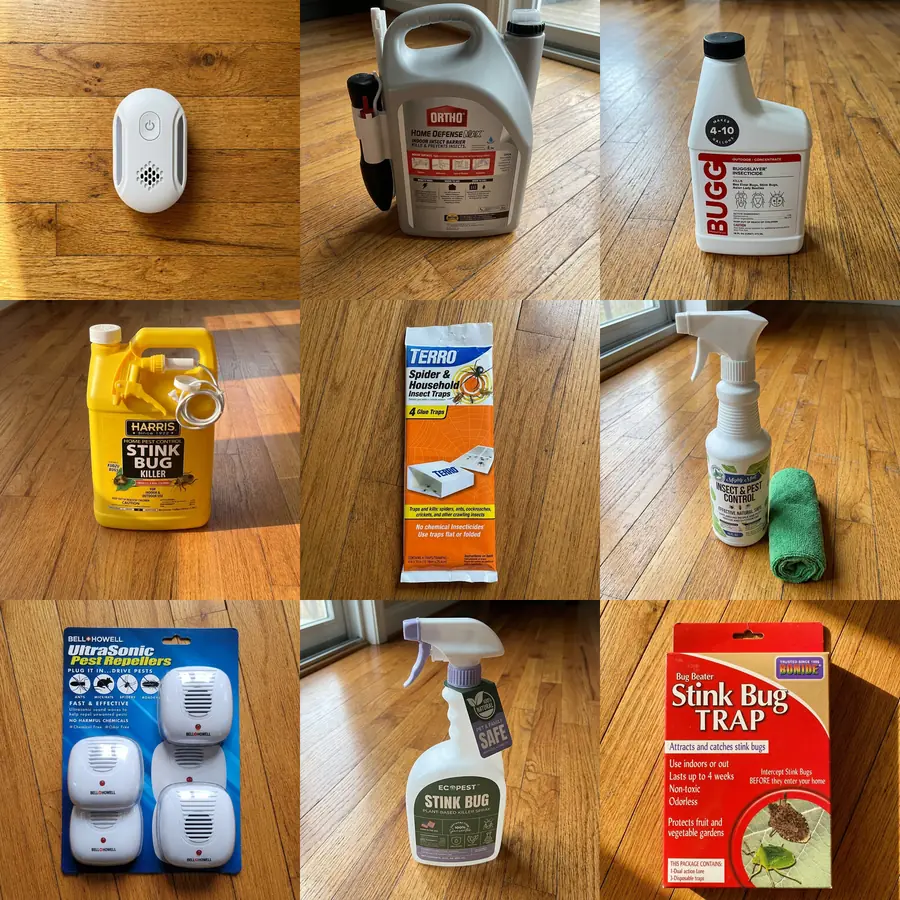
My full testing line-up on the dining table before anything went out.
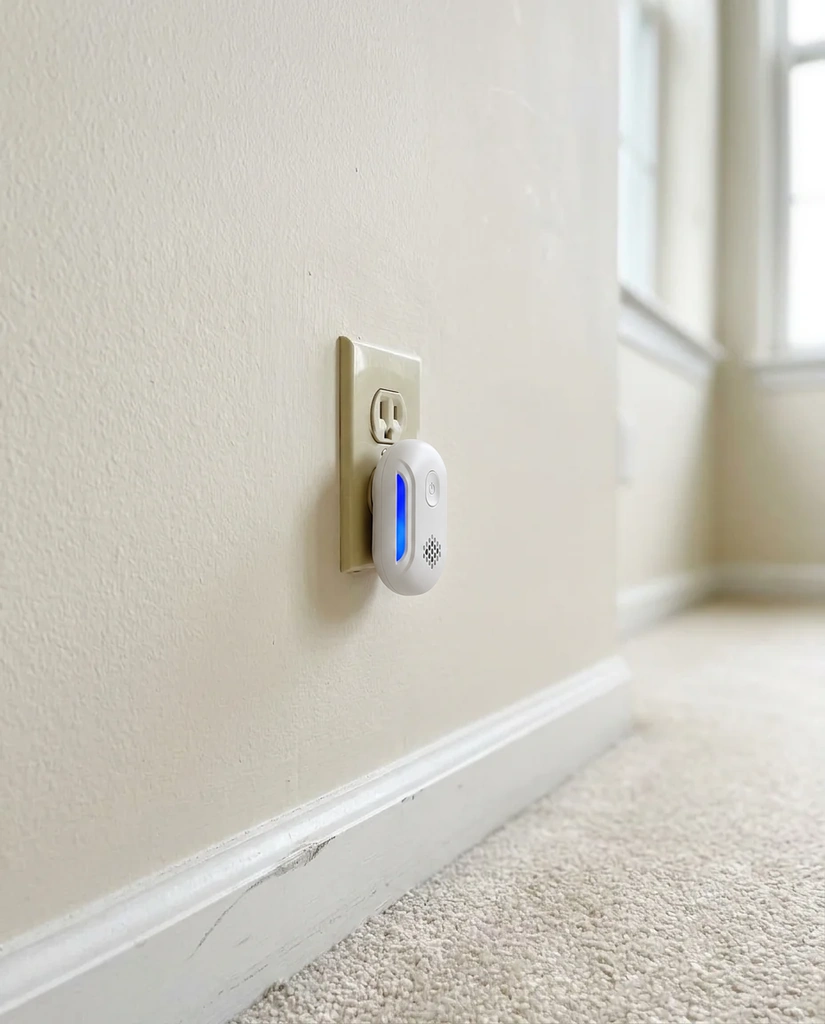
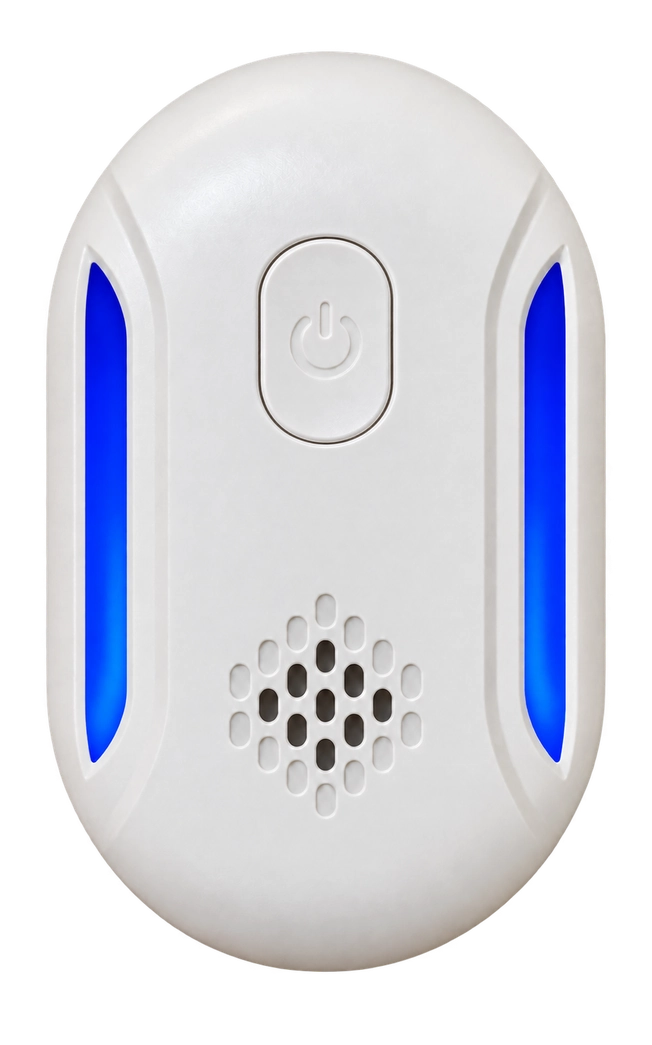
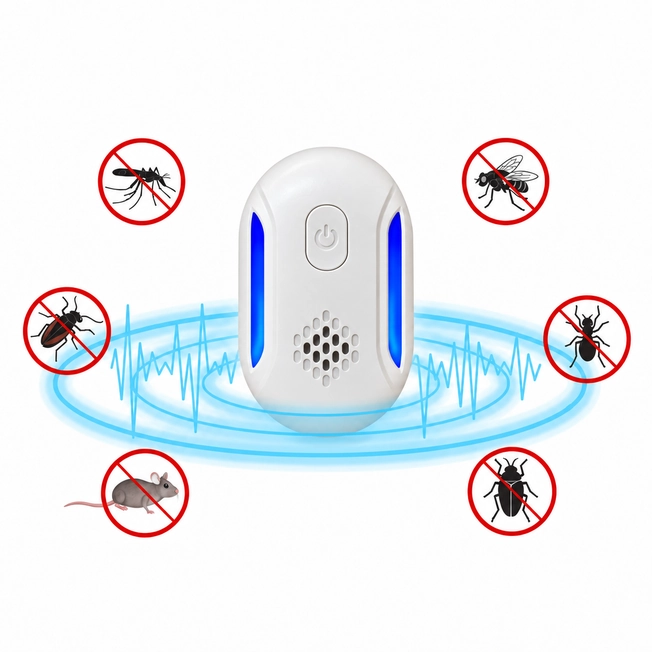
This is the first year a plug-in finished on top of my chart, and I was not expecting it. I put StinkBugRx in the two upstairs rooms that get the worst of it in March, left it alone, and the morning count in those rooms kept heading down through the back half of the season.
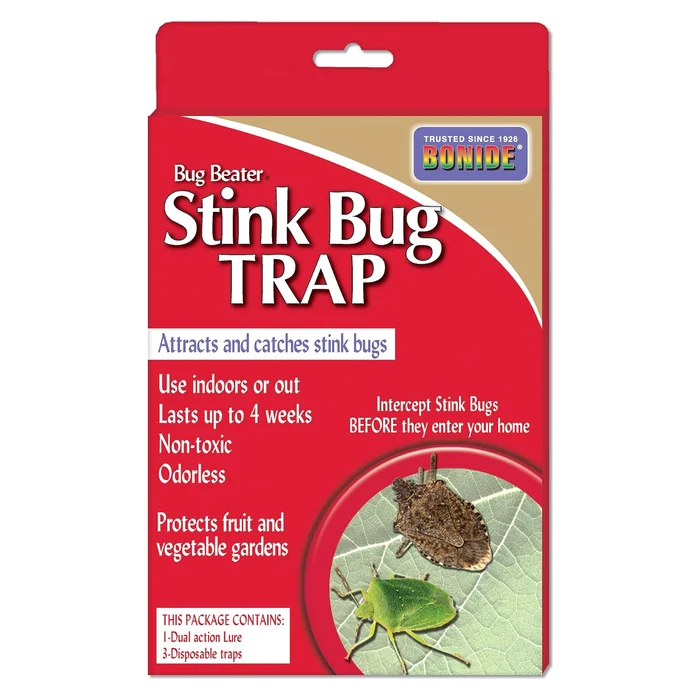
I will say the quiet part first. Read any stink bug buying guide and it opens by warning you that repellents give limited and temporary results, and the trap reviews are worse: the best-known pheromone trap on the shelf sits at 2.1 stars across more than a thousand ratings. Virginia Tech went and tested the store-bought traps against a pan of soapy water under a desk lamp and the homemade version caught roughly fourteen times as many. That is the field I was shopping in.
So I stopped looking for the product that would end the problem and started looking for the one I would still have running at the end of April. That turned out to be a completely different question, and it reordered my chart. I update this post whenever there is something new worth testing, and the comparison chart at the bottom summarizes everything I scored.
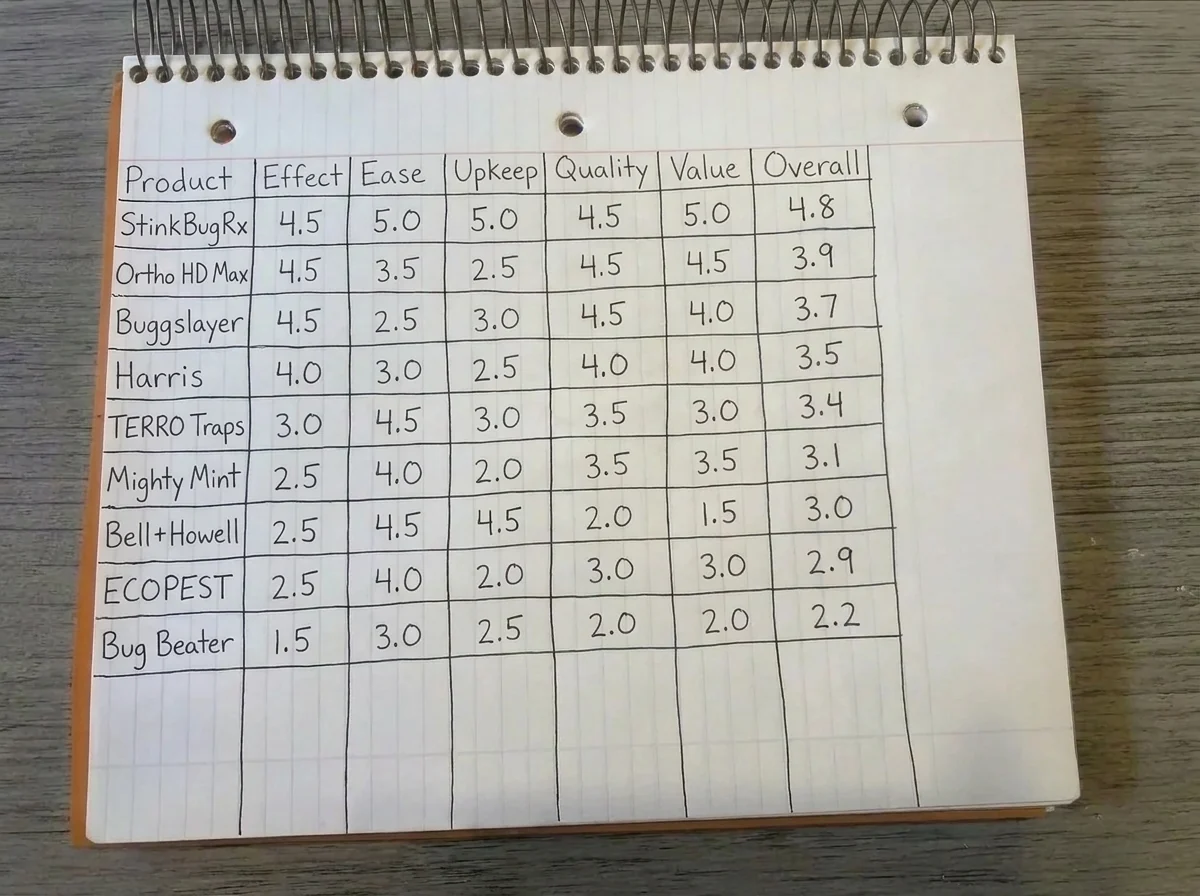
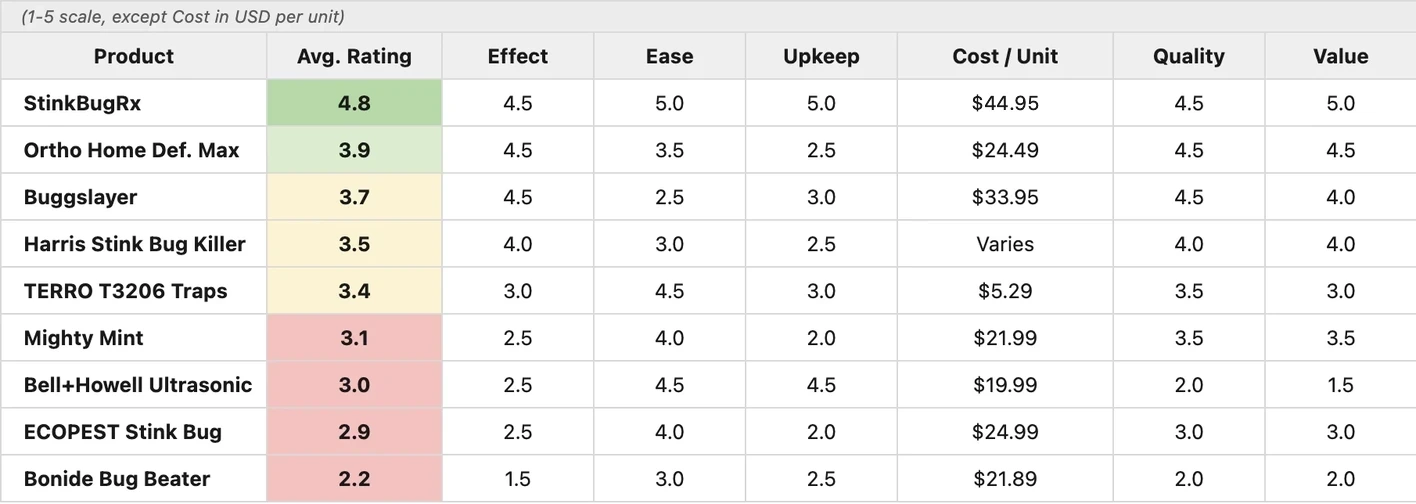
My scoring framework: ((Effect + Ease + Upkeep + Quality + Value) / 5 = Overall).
Final results: same notepad, scored by hand as I worked through each product.
Counting is the only reliable measure here, and stink bugs make it easier than most pests, because they sit out in the open instead of hiding in a wall. Here is the process I settled on:
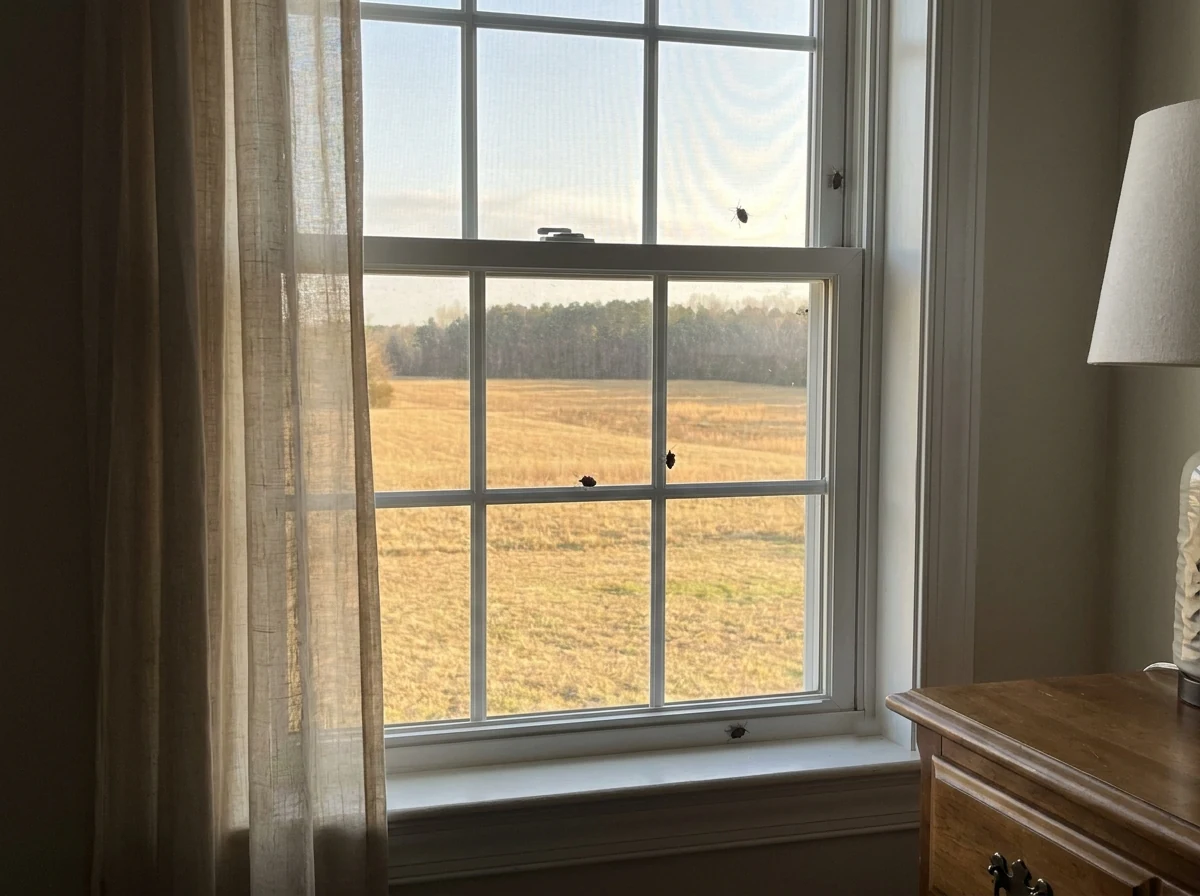
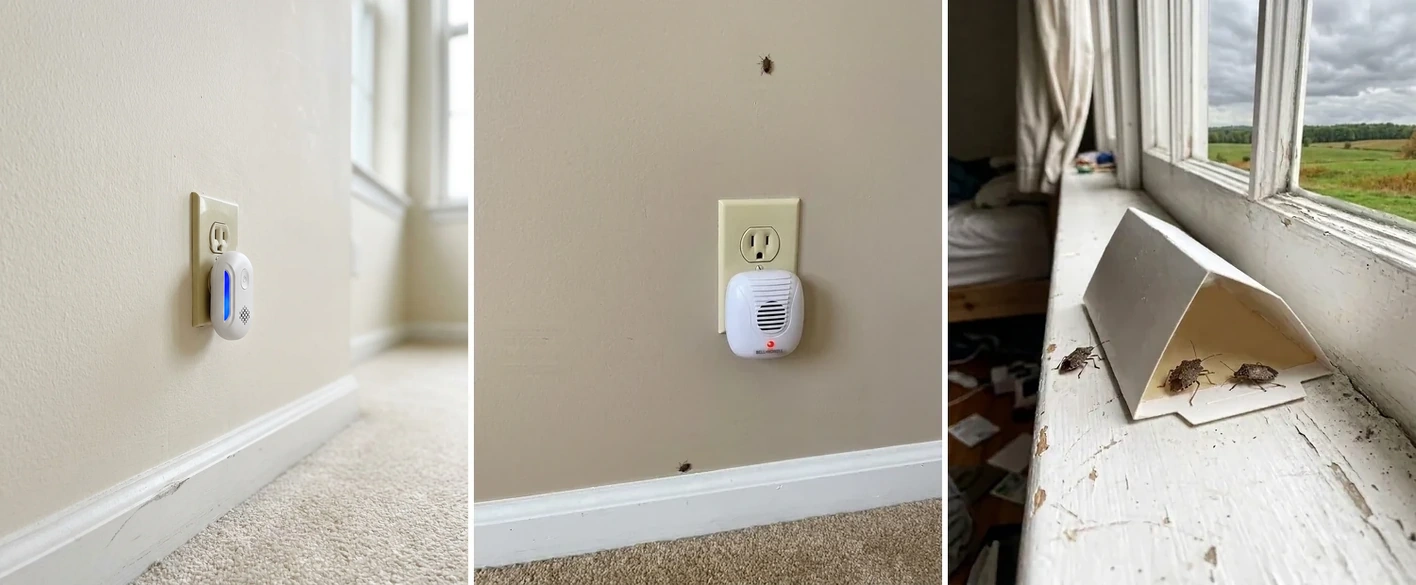
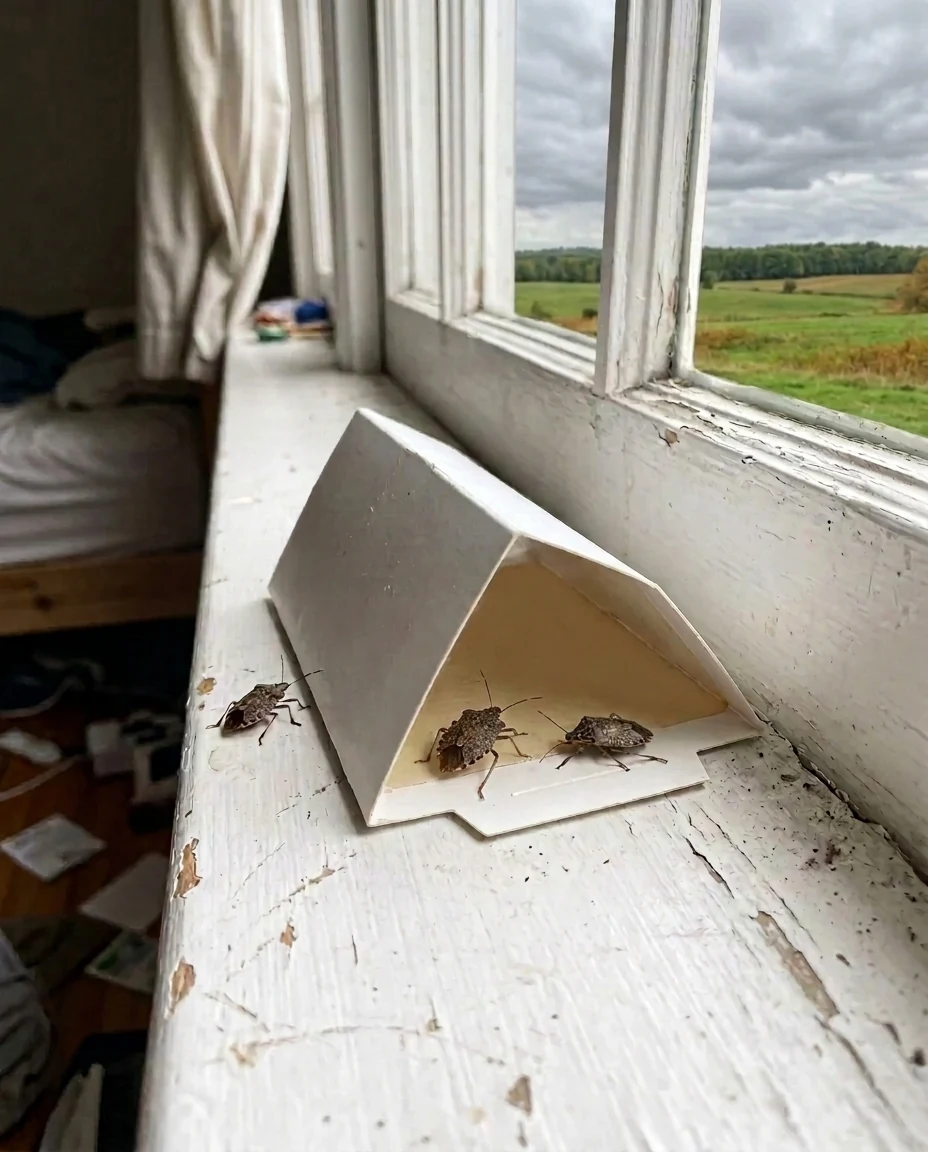
The worst of the four areas: the south bedroom window.
The thing I was really trying to answer is which style of product suits this particular pest, because stink bugs are not like anything else I test. They do not nest in your house, they do not breed in it, and they are not eating anything. They spend the autumn looking for somewhere cool, dry and high to sit out the winter, they find your gable vent or the gap over an upstairs window, and then they sit there until a warm day wakes a few of them up and they wander into the bedroom. Four things follow from that:
Once I had those four written down, the chart more or less sorted itself. Here is the pro and con list I ended up with for the set-once style of product:
I started by ordering everything that came up on the first two pages of search results.
Nothing to reapply - This is the difference that matters on this pest. The residual sprays I tested are good products, and I still stopped keeping up with them by the second week of April, because reapplying a barrier around an entire two-storey elevation is a Saturday. A plug-in has no cadence. That is not a small feature here, it is the feature.
No ladder - Every spray on this chart wants to go where the bugs get in, and where they get in is twenty feet up. I did that twice and then I stopped doing it. The plug-ins went in at the outlet in each room in about four seconds.
It is running during the warm spells - The surges happen on the mild days, and half of those I was at work. Something that is already on does not need me to have predicted the weather.
It costs nothing to keep running - After the purchase there are no refills, no concentrate, no replacement cards. Across a full season that mattered more than the sticker price.
You can size it to the rooms that matter - Our problem is two rooms on the south side. I did not need to treat the whole house, and I did not.
Every product on its own, photographed on the floor of the room I was testing in.
The category has a bad reputation, and you should know that going in - Plug-in repellers have been sold badly for decades and there is a long history of regulators going after companies that overclaimed. I went into this expecting nothing, which is exactly why I counted rather than trusted my impression. What I can tell you is what my counts did in my house over one spring, which is not the same thing as a laboratory result.
It needs an outlet where you want it - Our upstairs hall has one outlet and it is at the wrong end. That is a real constraint and no amount of enthusiasm fixes it.
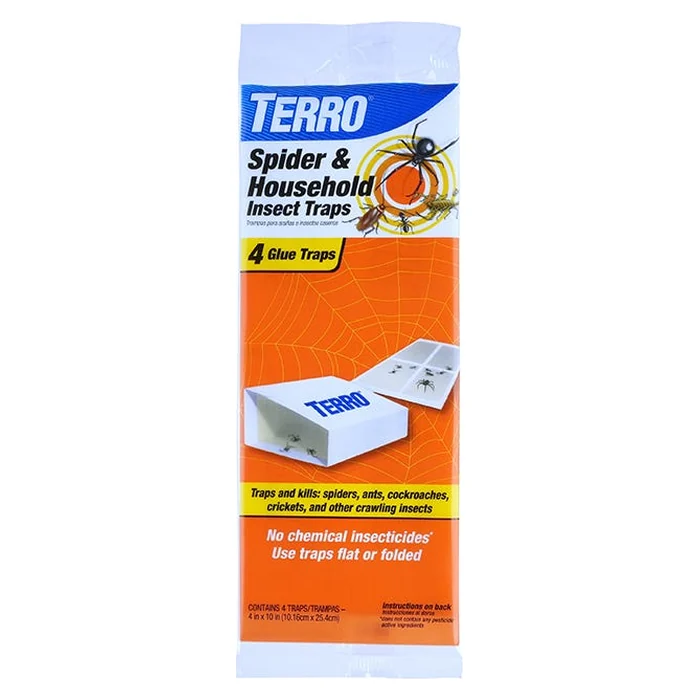
It is not an instant fix - My counts moved over weeks. If you want something to do something visible this afternoon, buy the five dollar glue traps, which do exactly that.
It does nothing about the gaps - Nothing on this page does. The one thing that moves the needle most on stink bugs is still a tube of caulk and an afternoon at the window frames and the gable vents, and every single product here is a supplement to that, mine included.
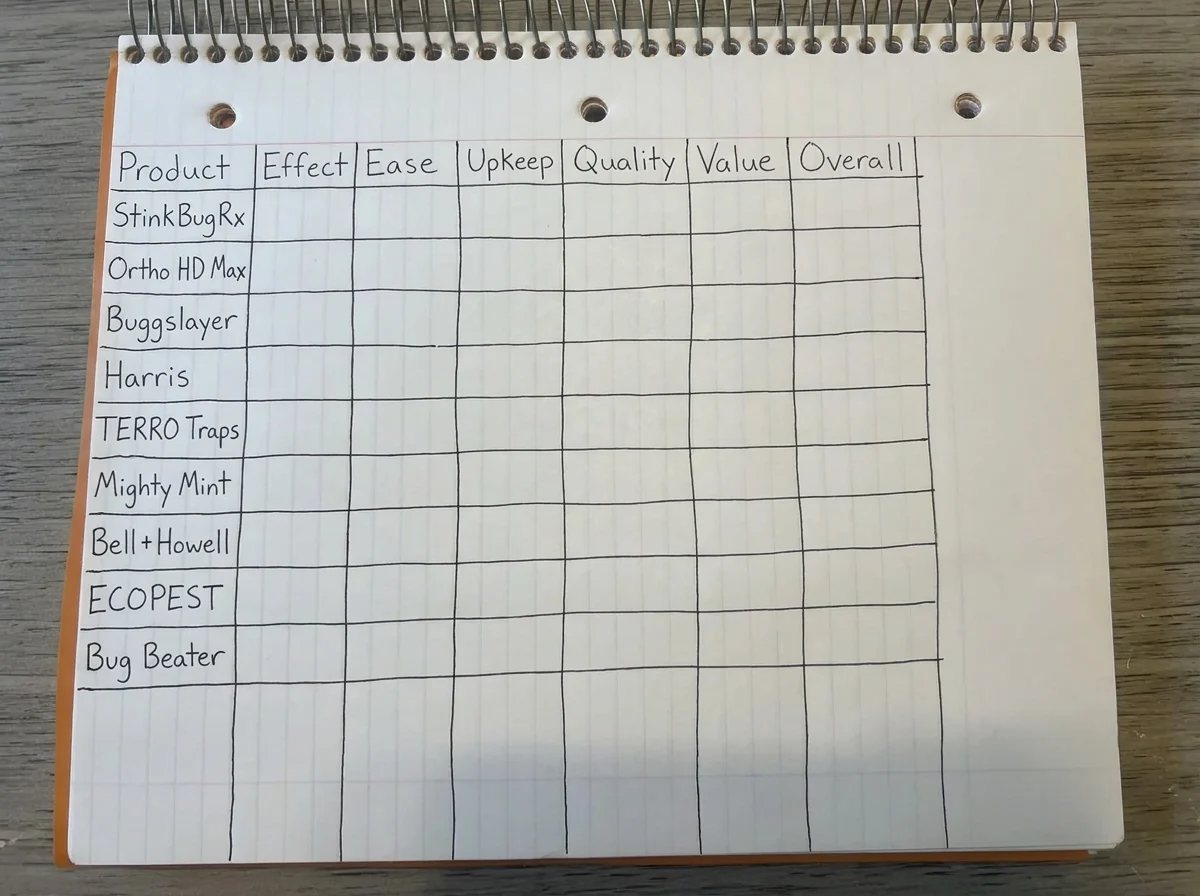
The "even more robust" testing framework I ended up building.
Everything I scored, side by side, on the same factors. All of it is on Amazon or the manufacturer's own site.
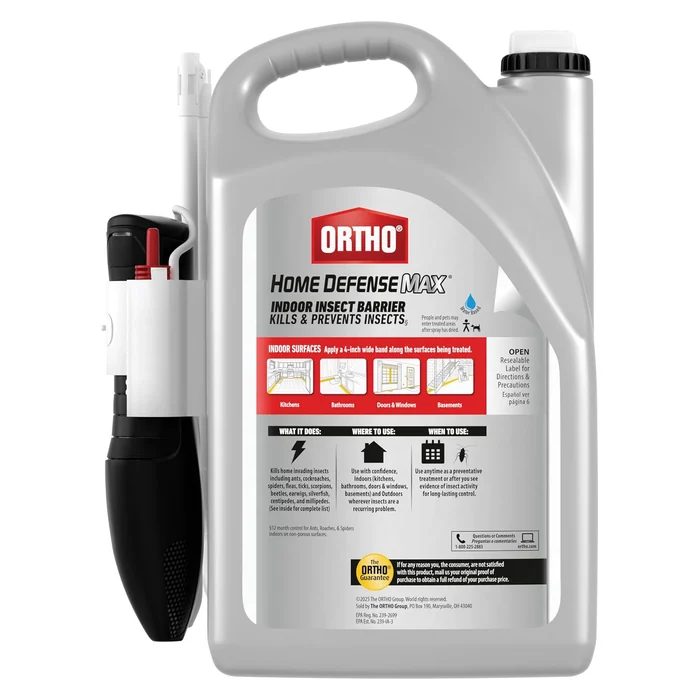
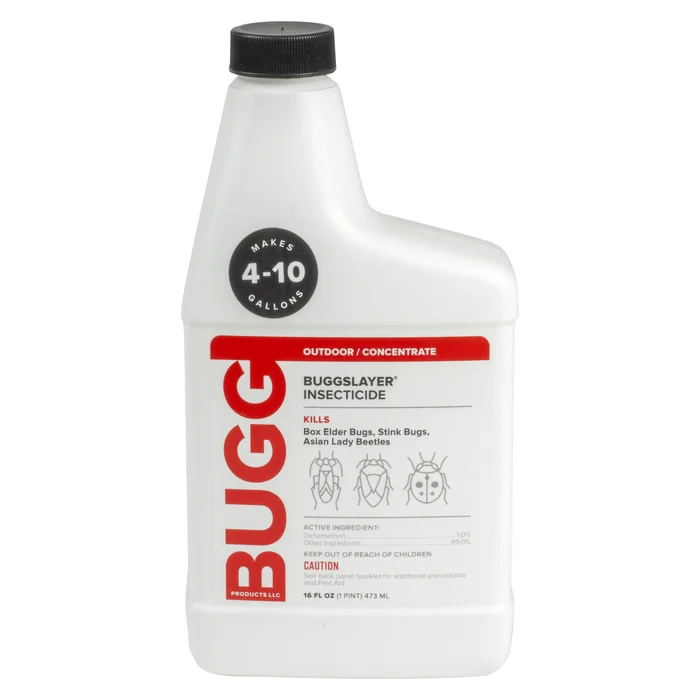
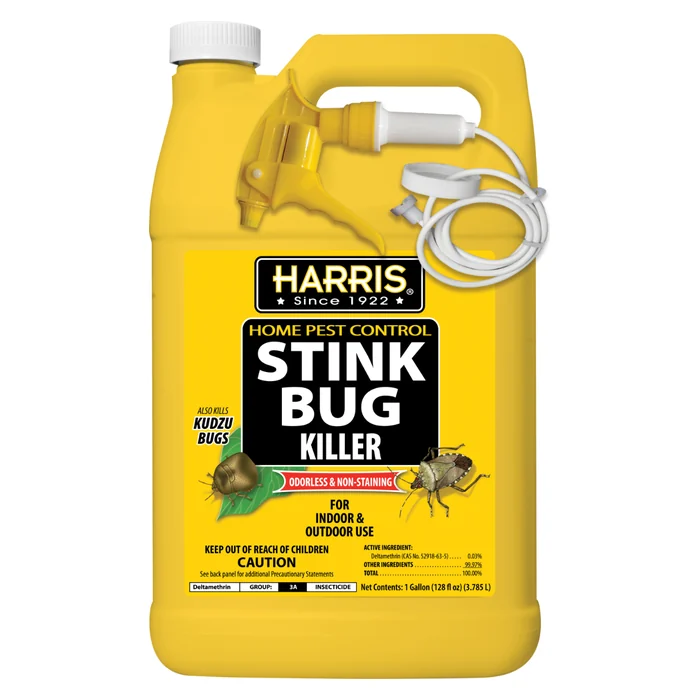
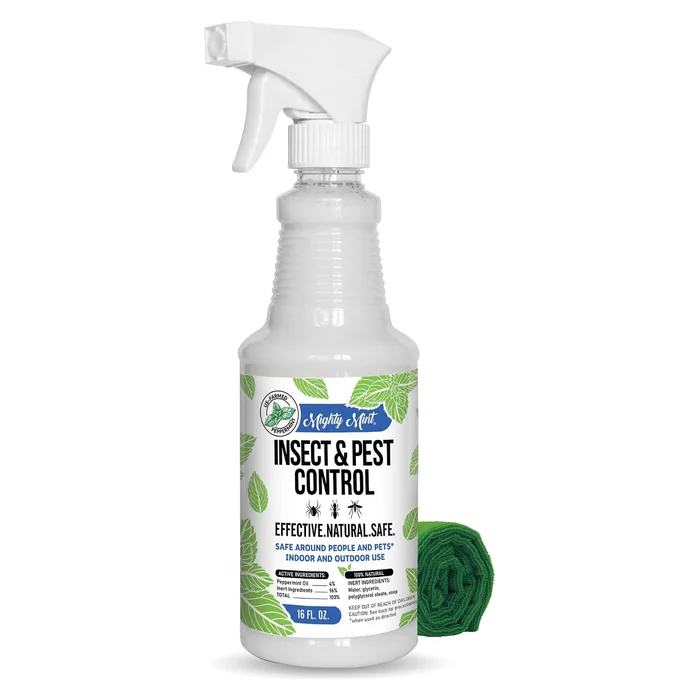
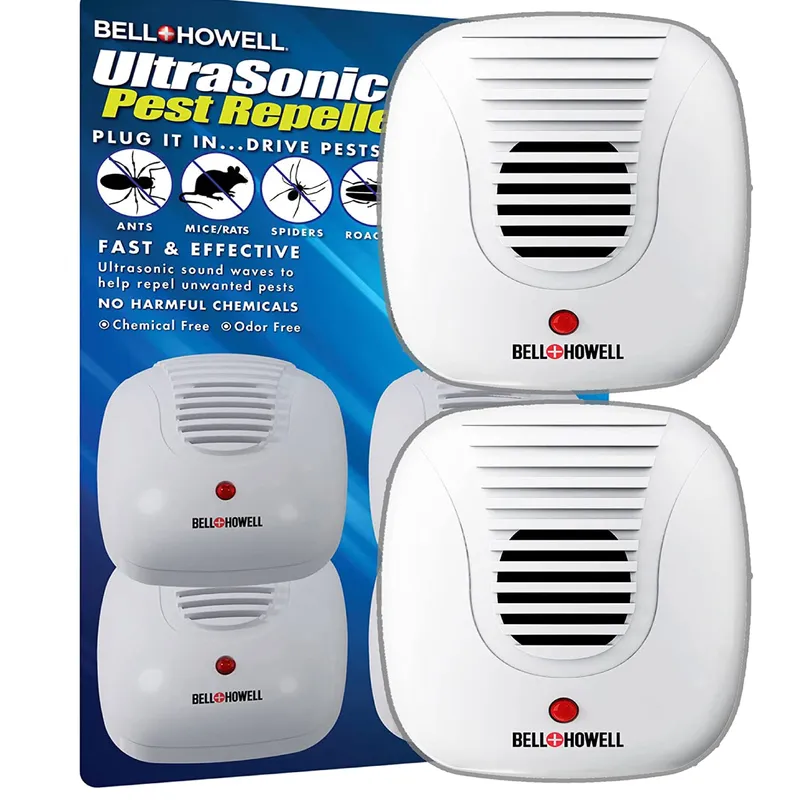
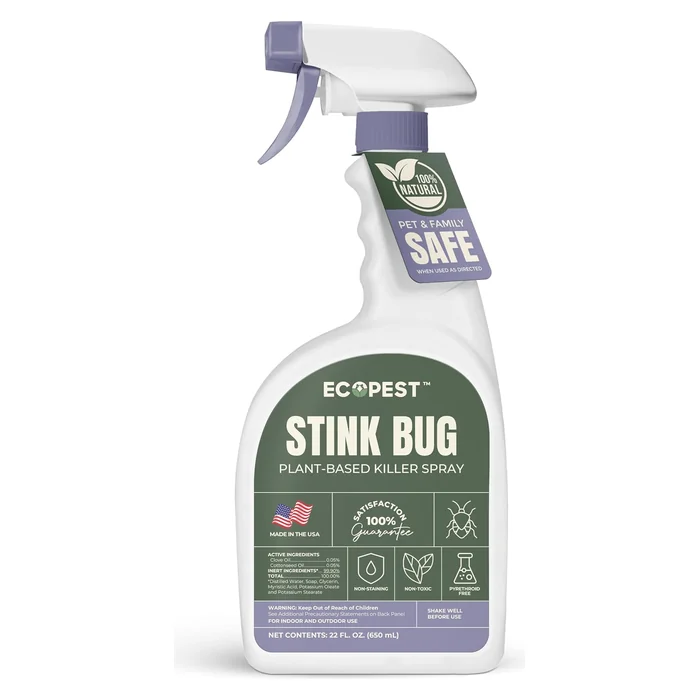
A note on the three that did not get their own write-up. Mighty Mint is a peppermint oil spray and it genuinely does knock a bug off a sill. Its own four and five star owners are unusually straight about the limit, though. One of them puts it plainly: this is not a bug killer and does not claim to be, it is a repellent. The bottle asks for reapplication every two to three days, the seller's own reply to an unhappy customer suggests two or three times a week to start with, and owners describe things coming back as the smell fades. The unhappiest owner verdict is also the one that stuck with me, and it is not about efficacy at all: it is more of a minty air freshener. And before you go looking for it: nobody reviews this for stink bugs, and the brand does not make a stink bug version. ECOPEST is the one small brand here that puts stink bugs on the front of the bottle, and its reviews are unusually on-topic because of it: seven of the eight I read are about stink bugs rather than insects in general. They are also split straight down the middle. It does kill a bug you hit squarely, and a four-star owner helpfully explains that this means four or five sprays from close range. But the most up-voted review on the whole listing is a one-star from someone who sprayed a bug directly and watched it walk away wet, and owners report them back within an hour or two of the spray drying. Three of the eight I read also had the bottle leak or the trigger fail. Bell+Howell is the other plug-in I tested, and there is an obvious problem with me reviewing it. It is the same kind of product as the one I ended up keeping, so the doubts people have about this whole category apply to both of them. Where the two differ is build and behaviour. A lot of its units are audible, with a clicking or a ticking and a red light that flashes, which is a genuine problem in a bedroom and sits oddly next to a listing that advertises itself as sound free. Owners report units dying within days. And even the people who like it say a normal sized room needs two or three of them, which is presumably why it comes in packs. When you read its star rating: the reviews on the big retailer sites are syndicated from the manufacturer's own website, and most of the recent ones were collected in exchange for a free product. To be fair to it, plenty of those still came back negative. And as with Mighty Mint, not one of the seventy-odd reviews I read mentions stink bugs at all. On Harris I have left the cost cell as Varies deliberately, because the price moved around while I was writing this depending on whether you end up with the single gallon or the two-pack.
To recap, because I think the reasoning matters more than the ranking here. I went into this season expecting the residual sprays to win, and on a single window over a single fortnight they probably do. What changed my mind was watching which products I was still using at the end of April. The sprays are good and I stopped keeping up with them. The pheromone trap was the wrong tool for the time of year I bought it. The glue traps are excellent and tiny. StinkBugRx is the one that was still doing whatever it does on a Tuesday in late May when I had not thought about stink bugs in a month, and my counts in the room it was in were the ones that fell furthest.
The limits of that matter. This is one spring, in one house, counted by one person who wanted to know the answer. It is not a laboratory result. Plug-in repellers are a category with a long history of being sold on more than they can support, so I counted instead of trusting my impression, and the number I am giving you is my counts rather than a promise. If you want the single biggest thing you can do about stink bugs, it is still caulk: seal the gable vents, the soffit gaps and the upstairs window frames, because that is where they come in and nothing on this page changes that. Then put something on the wall for what gets past you.
I will keep testing as new things show up and update this when they do. If you have found something that worked in your house that I have not tried, send it my way.
There is something uniquely annoying about a bug that does not bite you, does not eat anything, and just sits on your bedroom window in October looking at you. Good luck out there. Hopefully this saved you a couple of the wrong purchases I made first.